 DIGISOLAGENCY
Tokenomics Strategy & Modeling
We design token economics for Web3 projects so that the token creates long-term value, while the tokenomics remains transparent, manageable, and compliant with regulatory requirements. The team aligns the token strategy with the goals of the project, users, investors, and community, describes the distribution mechanisms, governance, and utilities, and assesses the costs and risks of implementing on the blockchain. As a result, you get a clear tokenomics that supports the growth of the ecosystem and the token rate in the long term.
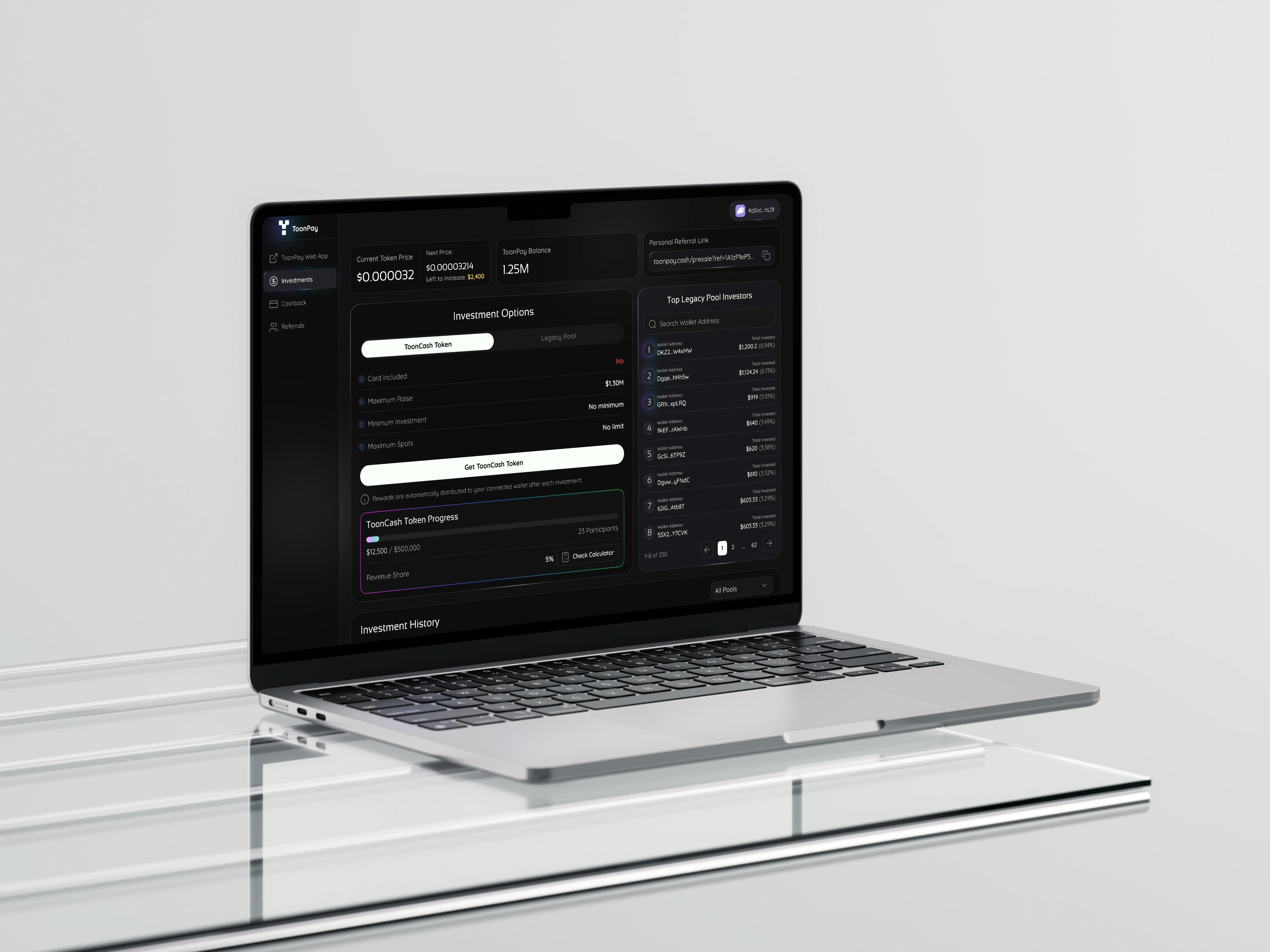

Our approach to tokenomics design is a structured process: from market research and economics model to technical specification of smart contracts and metrics.
Tokenomics design
We define token utilities (access, discounts, governance, staking), distribution rules, vesting, burn/mint, emission limits, and fees. Then we describe tokenomics KPIs (circulation, liquidity, holders, transactions), prepare a whitepaper, and a roadmap. For a quick start, white label approaches are available that reduce the cost of launching a token and simplify integration.
Token Models & Distribution

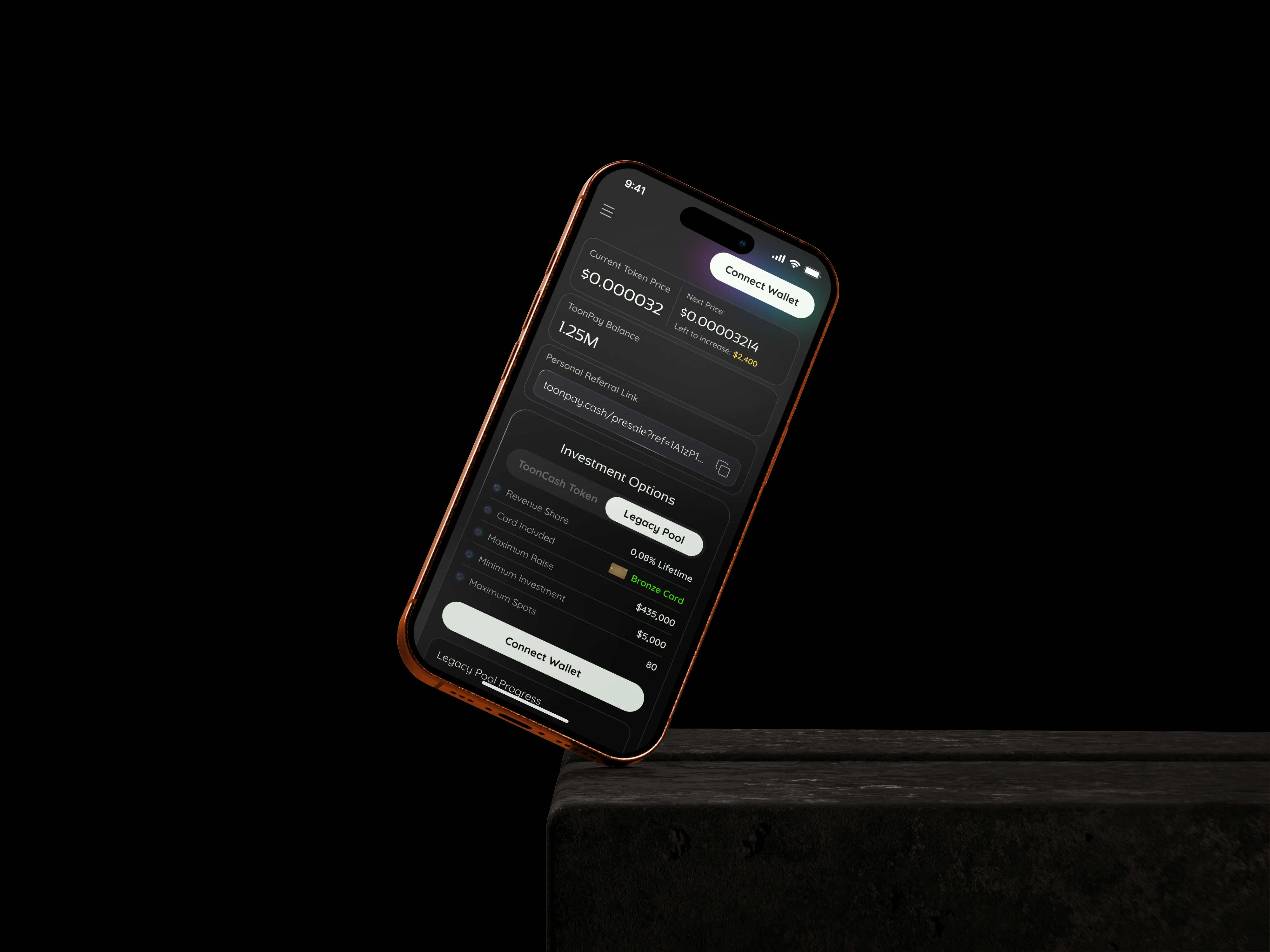
We select a token model for the project goals: utility token for access, governance token for voting, reward token for motivation. We evaluate token supply, circulation, initial and public sales (IDO/DEX), airdrop/bounty, as well as liquidity pools. The model includes rules for token in a decentralized network: ownership, transfer restrictions, security practices and mechanisms for protecting against overly-inflated emissions, which often leads to a failing launch.
Token Models & Distribution
We select a token model for the project goals: utility token for access, governance token for voting, reward token for motivation. We evaluate token supply, circulation, initial and public sales (IDO/DEX), airdrop/bounty, as well as liquidity pools. The model includes rules for token in a decentralized network: ownership, transfer restrictions, security practices and mechanisms for protecting against overly-inflated emissions, which often leads to a failing launch.
Framework & metrics
To create tokenomics without errors, we form a set of metrics: token turnover rate, share in funds, price sensitivity, market scenarios. The team describes how designing tokenomics is consistent with business goals and stakeholders. We analyze network effects, model transactions and token flows, check security assumptions and smart logic. For the technical part, we prepare specifications of contracts and recommendations for development.
Checklist (implementation)
Token utilities, token access, token fees
Distribution schedule and vesting policies
Governance rules and voting mechanisms
Token liquidity and pools
Risk limits, audit, monitoring
From model to launch
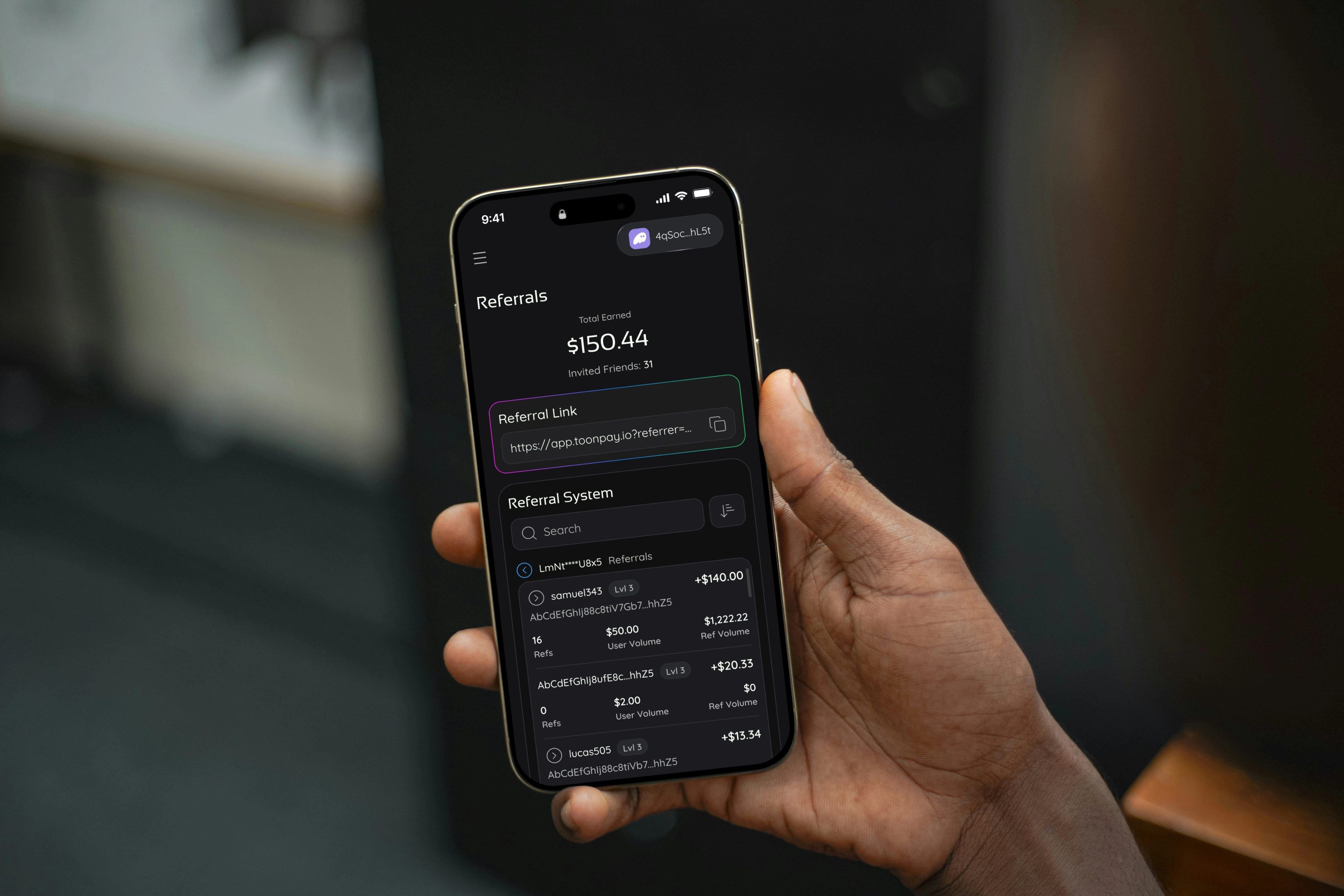
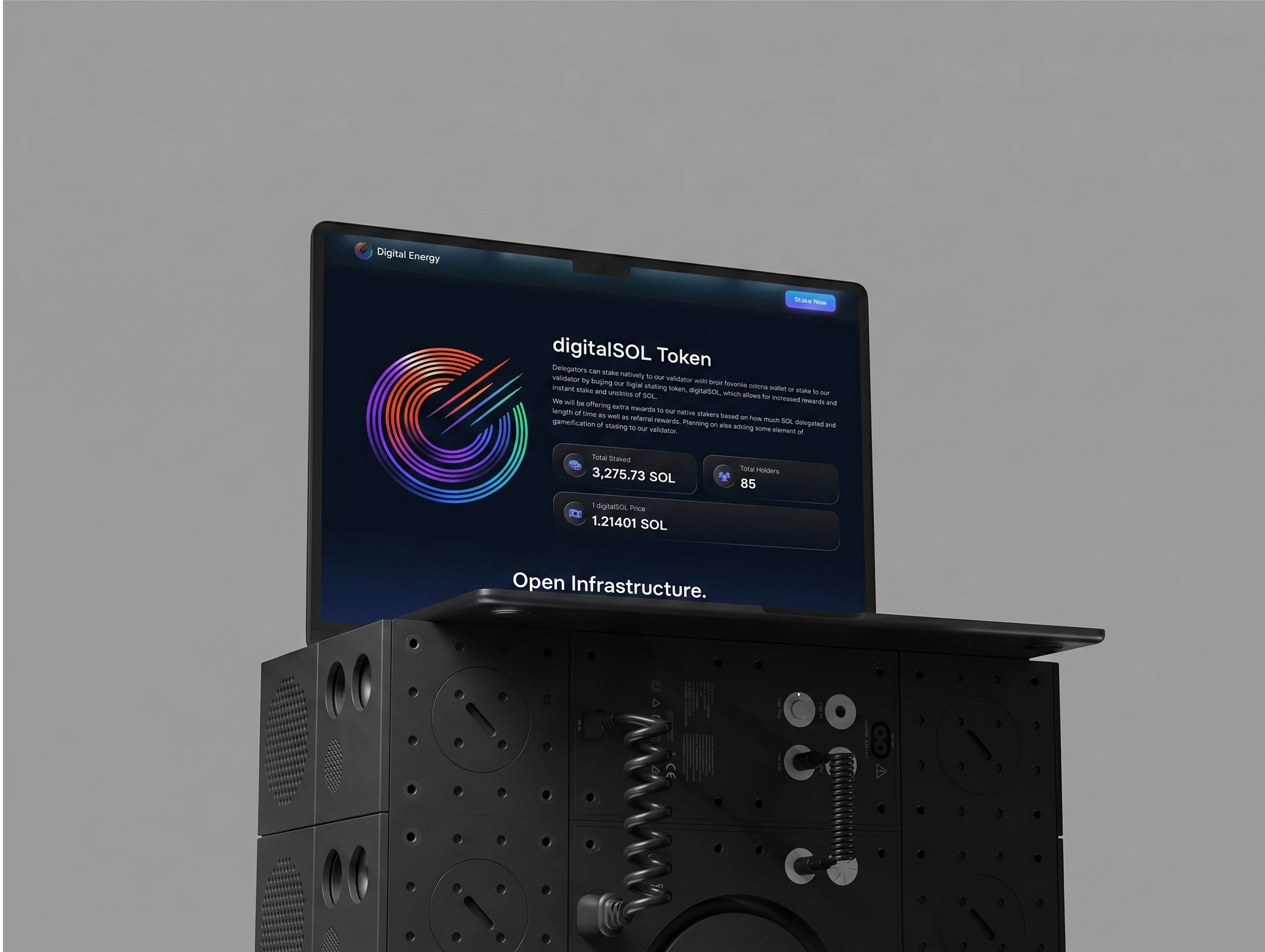
After approval, we prepare a tokenomics example with figures: allocations, token curves, issuance pace, marketing/community budgets. Next, we form a release plan: contracts for the token, deployment procedures, compliant notifications, documentation updates. If necessary, we add white label tools — this speeds up the integration of the token into exchanges, wallets and dapps. For complex projects, we provide a guide on operational support so that tokenomics remains stable under load.
From model to launch
After approval, we prepare a tokenomics example with figures: allocations, token curves, issuance pace, marketing/community budgets. Next, we form a release plan: contracts for the token, deployment procedures, compliant notifications, documentation updates. If necessary, we add white label tools — this speeds up the integration of the token into exchanges, wallets and dapps. For complex projects, we provide a guide on operational support so that tokenomics remains stable under load.
Risks & controls
The quality of tokenomics depends on discipline. We check whether token mechanisms do not encourage harmful speculation, whether token distribution does not create excessive centralization, whether contracts cover critical scenarios. It is important to create tokenomics with regulations and transparency for investors in mind; tokenomics should adapt to market changes while remaining predictable for users.

Delivery & cost
Delivery occurs in iterations: research → model → specification → validation → update. We estimate the cost based on the volume of tokenomics mechanics, jurisdictions, integrations and deadlines. If necessary, the team conducts audits, re-audits and adjustments to the tokenomics. The final package contains the final tokenomics, specification, design principles and change plan to support the ecosystem and long-term success.


