 DIGISOLAGENCY
NFT marketplace development — from idea to scalable platforms
Today, the NFT marketplace has become the foundation of the digital economy. The demand for metaverse NFTs, NFT gaming, NFT music, NFT sports, and NFT ticketing is growing worldwide. These areas create new opportunities for creators and collectors, providing secure transactions, transparency, and scalability. Using the NFT marketplace helps brands build unique projects and quickly enter the global market.
The growth of areas such as metaverse NFT, NFT gaming, NFT music, NFT sports, and NFT ticketing demonstrates the breadth of application of technology. Each niche is developing at a rapid pace, forming various business models in Web3.
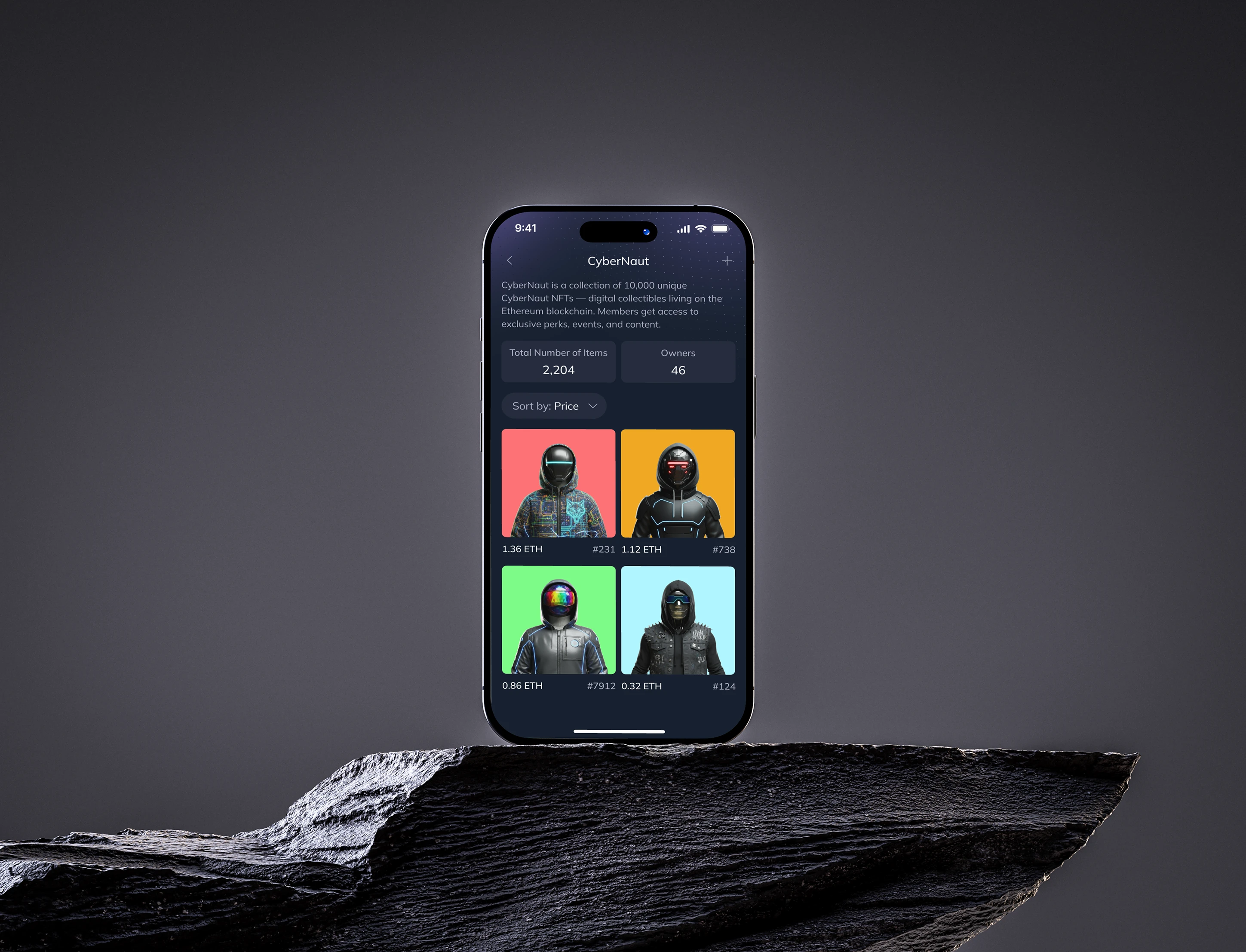

The NFT marketplace development process covers requirements, design, coding, testing, and MVP launch. The team works with the tech stack — frontend, backend, databases (MongoDB, MySQL, and PostgreSQL), and smart contracts. The right approach provides scalable and secure solutions. Companies often order NFT marketplace development services to get expertise for a successful launch.
NFT marketplace development — step by step
The most popular areas are NFT music, NFT sports, NFT gaming, and NFT ticketing. They allow users to buy unique assets and content and create new revenue streams for businesses. In the metaverse NFT, such services are integrated with platforms to form digital ecosystems.
White-label NFT marketplace development
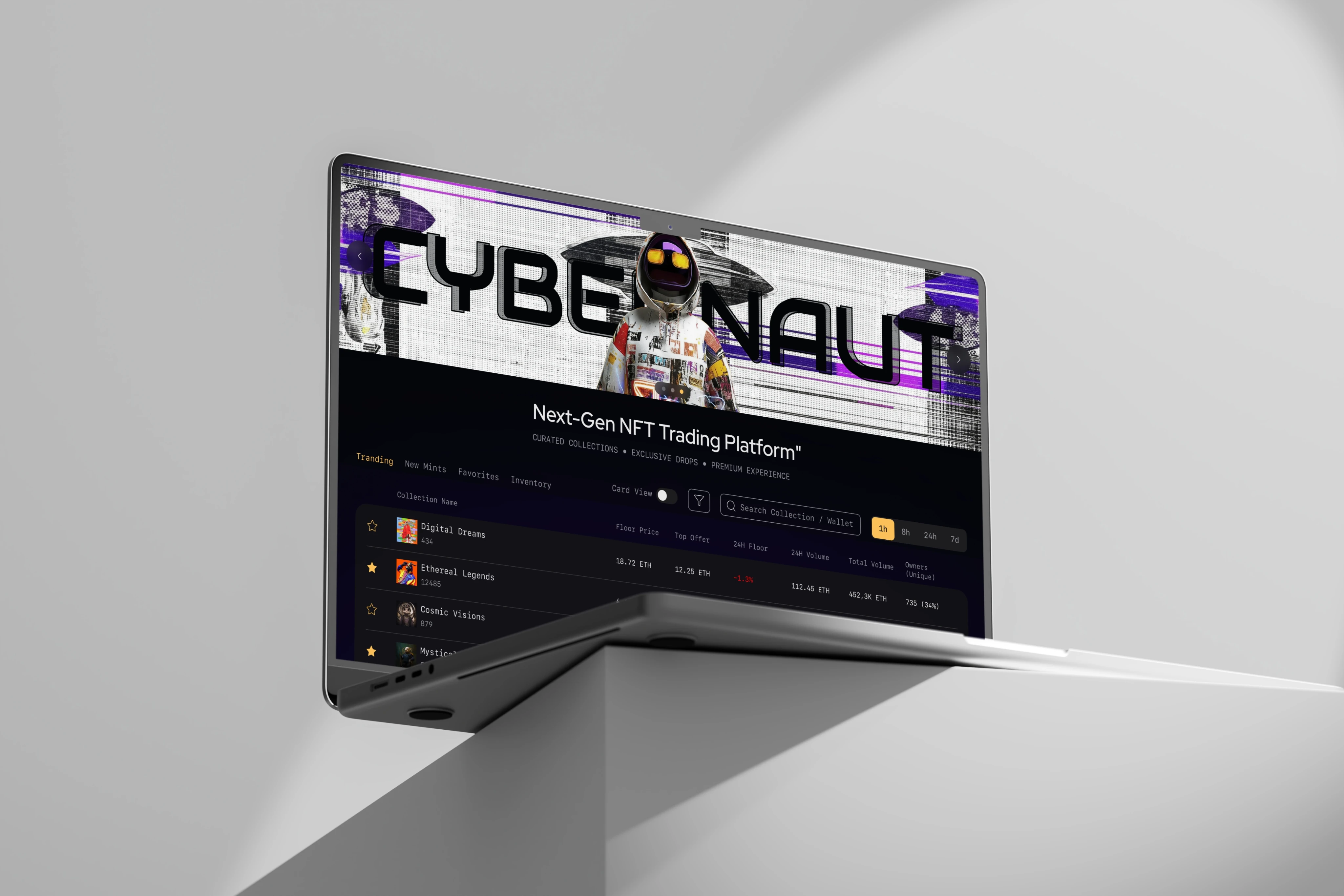
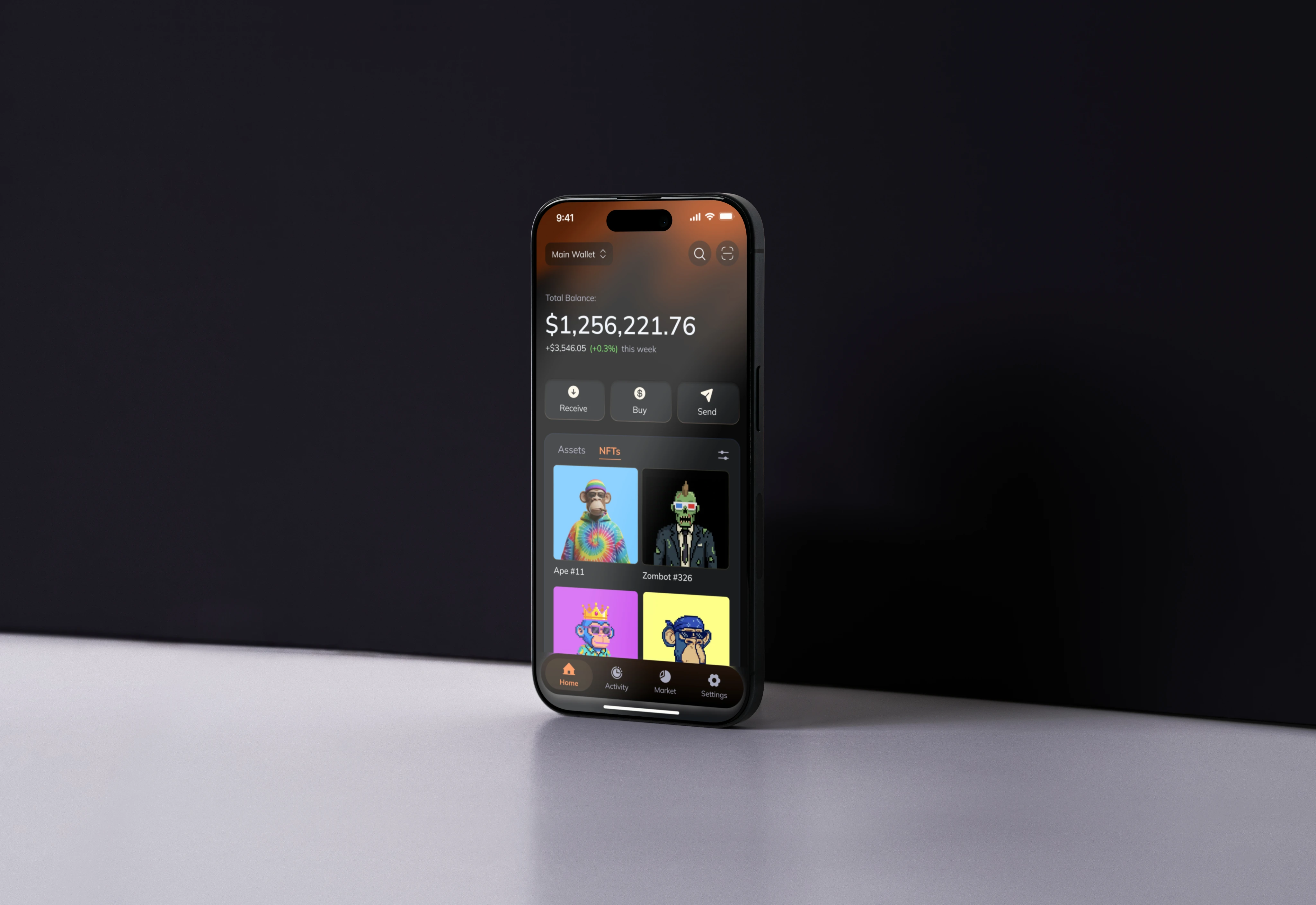
Quick access to the market is provided by white-label NFT marketplace development. This is a ready-made solution with basic features, which reduces cost and shortens the time to build. White-label software allows companies to get a cost-efficient NFT marketplace with a robust infrastructure.
Among the areas of use are metaverse NFT, NFT gaming, NFT ticketing, NFT sports, and NFT music. Ready-made solutions are scalable, easily integrate new components, and provide reliable performance. This helps companies quickly create user-friendly services for collectors and creators. Thanks to NFT gaming, a new economy is being formed where virtual items have real value.
White-label NFT marketplace development
Quick access to the market is provided by white-label NFT marketplace development. This is a ready-made solution with basic features, which reduces cost and shortens the time to build. White-label software allows companies to get a cost-efficient NFT marketplace with a robust infrastructure.
Among the areas of use are metaverse NFT, NFT gaming, NFT ticketing, NFT sports, and NFT music. Ready-made solutions are scalable, easily integrate new components, and provide reliable performance. This helps companies quickly create user-friendly services for collectors and creators. Thanks to NFT gaming, a new economy is being formed where virtual items have real value.
Marketplace NFT use cases
A separate example is NFT real estate marketplace development, which allows for real estate transactions through smart contracts. No less relevant areas are NFT music, NFT sports and NFT ticketing, where users receive collectibles and access to unique products. For businesses, NFT marketplace means the opportunity to create new value and attract a larger audience.
New scenarios are emerging in the NFT metaverse. NFT gaming in the metaverse is shaping the economy of digital items. Similarly, NFT music and NFT ticketing create streams for monetization, while NFT sports provide interactivity and fan engagement. This demonstrates how the areas are combined within one NFT marketplace.
Key factors and cost of NFT marketplace development
The price of NFT marketplace development depends on the scope, complexity, selected stack and security requirements. Important factors are database, integration, optimized performance and handling transactions.
Cost is determined by the architecture and the team of developers. Open-source frameworks reduce costs, but a custom NFT marketplace creates a unique product. Using MVP, prototype and test-feedback helps to test functionality before a large-scale launch. This allows companies to get cost-efficient solutions and reduce risks.

Conclusion
NFT marketplace is a strategic direction for business. The most promising niches include:
- —metaverse NFT for virtual spaces;
- —NFT gaming for in-game assets;
- —NFT music for content monetization;
- —NFT sports for fans;
- —NFT ticketing for secure ticket sales.
Investments in metaverse NFT, as well as the directions of NFT gaming, NFT music, NFT sports and NFT ticketing form competitive advantages in Web3. The use of modern technologies creates fantastic opportunities for creators and collectors. It is the NFT with the right approach to development that provides scalable, secure solutions that shape the digital economy of the future.


